Exciting Discoveries: 7 Things You Didn't Know About Tulips
Posted on 20/06/2025
Exciting Discoveries: 7 Things You Didn't Know About Tulips
When you picture a vibrant spring garden, chances are tulips are at the heart of your imagination. Their rainbow-hued petals and elegant form have captivated gardeners and admirers for centuries. But how much do you really know about this iconic flower? Whether you're a seasoned horticulturist or just love to brighten your home with fresh blooms, these seven surprising facts about tulips will leave you amazed--and eager to learn more.
1. Tulips Originated Far from the Netherlands
When most people think about tulips, the Netherlands--often called the "Land of Tulips"--undoubtedly comes to mind. However, one exciting discovery about tulips is that they aren't originally Dutch at all. The natural home of tulips stretches across a wild region you might not expect.
The True Birthplace of Tulips
- Tulips originally grew wild in Central Asia, especially the foothills of the Tien Shan Mountains and the steppes of Kazakhstan and Uzbekistan.
- Nomadic tribes encountered these blossoms, admiring their resilience and unique appearance in harsh, semi-arid climates.
Tulips traveled west thanks to merchants, conquerors, and the Silk Road. Ottoman sultans nurtured a passion for exotic tulip flowers in their palace gardens by the 16th century.
From Sultans to the Dutch Golden Age
By the late 1500s, tulip fascination had landed in Western Europe, transforming the gardens and culture of the Netherlands forever. Yet, we owe the colorful blooms to the far-flung reaches of Asia.
2. Tulip Mania: The World's First Economic Bubble
One of the extraordinary facts about tulips is their role in sparking a financial phenomenon now known as "Tulip Mania." This exciting chapter in economic history took place during the Dutch Golden Age, showing the power of plant obsession gone wild.
Tulip Bulb Craze in the 17th Century
- In the 1630s, the value of some rare, variegated tulip bulbs skyrocketed.
- Speculators began trading bulbs, driving prices to unprecedented heights. In some cases, a single prized bulb cost as much as a wealthy merchant's mansion.
- The crash that followed, in 1637, left investors in financial ruin--serving as a cautionary tale for centuries to come.
Tulip Mania is now studied as the world's first speculative economic bubble, making this plant one of the rare flowers with a profound economic legacy!
3. Tulips Have Hidden Meanings and Symbolism
Another exciting tulip discovery is the flower's rich tapestry of symbolism. Historically, tulips have been much more than just a pretty addition to gardens. Across different cultures, they're imbued with deep meaning.
The Language of Tulips
- In Turkey: The tulip was a symbol of paradise on Earth and divine beauty, appearing in poetry, art, and religious texts.
- In the Netherlands: The tulip became a symbol of national pride, representing perfect love and prosperity.
- In Victorian England: The flower meant charity, affection, and declaration of love in the famous "language of flowers."
Tulip Color Symbolism
- Red tulips symbolize true love and passion.
- Yellow tulips once signified hopelessness, but today evoke cheerful thoughts and sunshine.
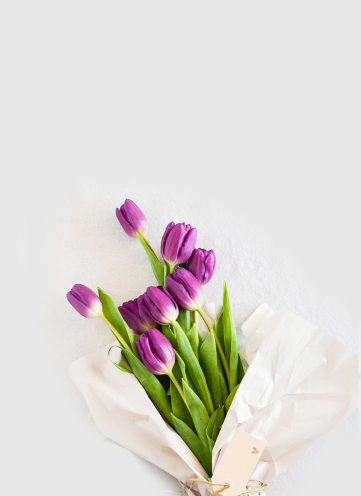
- Purple tulips represent royalty and admiration.
- White tulips are associated with forgiveness and peace.
Understanding the hidden messages behind tulip colors adds a fascinating layer to your next bouquet, enriching every stem with history and emotion.
4. Tulip Blooms Come in Over 3,000 Varieties
If you thought all tulips looked the same, prepare to be amazed. One of the most exciting tulip facts is just how diverse these flowers truly are.
Types of Tulip Blooms
- Single and Double Tulips: These classic shapes can have a single layer or lush, peony-like multiple petals.
- Fringed and Parrot Tulips: Offering a flamboyant twist, these varieties have ruffled or feather-like petals in dazzling color mixtures.
- Lily-Flowered Tulips: Elegant, pointed petals give these blooms a star-shaped appearance.
- Botanical Tulips: Smaller, wild species with unique charm and striking patterns, perfect for naturalized gardens.
The Royal General Bulb Growers' Association in the Netherlands currently recognizes more than 3,000 registered types of tulip flowers--with specialty growers introducing new hybrids every season, the possibilities are endless.
5. You Can Eat Tulip Petals (With Caution!)
This is one of the most surprising tulip discoveries for many: some tulip petals are actually edible! Before you try this at your next dinner party, however, there are some important things to know.
Culinary Uses of Tulip Petals
- During World War II, when food shortages were severe, Dutch people consumed cooked tulip bulbs and petals as emergency food.
- Some chefs use tulip petals as a colorful garnish for salads and desserts, adding a subtle sweet taste and splash of color.
Important Note: Not all tulip parts are safe to eat. Some bulbs and petals may contain toxins, especially if treated with pesticides. Eating tulip bulbs not intended for consumption can cause illness, so always source from reputable, edible flower suppliers and consult with experts before sampling!
6. Tulips Are a Scientific Marvel
Tulips aren't just a feast for the eyes--they're also beloved by botanists and geneticists. One fascinating fact about tulips is how their genetics and coloring sparked centuries of scientific curiosity.
How Colorful Tulips Inspired Discovery
- Unusual striped tulips, known as "broken tulips," were prized in the era of Tulip Mania for their spectacular patterns.
- It wasn't until the 20th century that scientists discovered these stripes were caused by a special tulip virus affecting pigment development in petals.
- This led to breakthroughs in understanding plant virology and genetics.
Tulips in Today's Research
- Modern horticulturists and breeders use advanced techniques to create new tulip varieties with vibrant, stable colors and improved resilience.
- Research into tulip bulbs helps farmers around the world improve bulb-based crops, from onions to garlic, with tulip genetics offering remarkable insights.
From historic plant mysteries to innovations in modern science, tulips have influenced far more than the art of gardening!
7. Tulips Can "Move"--Even in a Vase
This might be the most unusual tulip fact: a fresh-cut tulip continues to grow in your vase! Unlike many flowers, tulip stems have an almost magical ability to change and adapt even after being picked.
How Tulip Stems Behave
- If you place a bunch of tulips in water, within a day or two, you'll notice the stems lengthening and the flowers slowly "bending" towards sources of light.
- This phenomenon happens because tulips respond strongly to both gravity and light, a process called "phototropism" and "gravitropism."
- As a result, your arrangement may "move" every day, offering a dynamic, living display well after cutting!
Try rotating your vase for a fun experiment and watch how your tulips adjust and reach toward new directions!
More Fascinating Tulip Facts
- Some tulips can survive sub-zero temperatures and thrive in mountain landscapes.
- The oldest known depiction of tulips in art comes from a 12th-century Persian manuscript.
- Major festivals, such as the Keukenhof Tulip Festival in the Netherlands and the Canadian Tulip Festival in Ottawa, draw millions of visitors every year to see stunning tulip displays.
The world of tulips is endlessly captivating, weaving together stories of history, science, culture, and art across continents and centuries.
How to Grow and Enjoy Tulips at Home
Now that you know the exciting discoveries and hidden wonders of tulip flowers, why not grow your own? Here are some quick tips to ensure success:
- Plant tulip bulbs in the fall, before the first frost, in well-drained, loose soil.
- Choose a sunny spot, but make sure bulbs stay cool for strong spring blooming.
- Water the bulbs after planting, then let nature do the rest--tulips don't require much maintenance.
- Enjoy a riot of color each spring, and experiment with different varieties for a unique tulip garden each year.
The Enduring Allure of Tulips
Whether treasured for their beauty, symbolism, historical intrigue, or edible petals, tulips continue to enchant people worldwide. These exciting discoveries remind us that even a seemingly simple flower holds a trove of secrets, wonders, and unexpected connections through time and culture.
Next time you spot a field of blooming tulips or bring a vibrant bouquet home, remember these fascinating tulip facts and share their story with friends and family. The world's obsession with tulips is about much more than meets the eye!
Ready to Start Your Own Tulip Adventure?
With thousands of varieties to choose from and a rich, intriguing history, tulips promise endless delight for gardeners, floral enthusiasts, and history lovers alike. Their legacy stretches from windswept Asian steppes to global fame--a living symbol of how nature's beauty can inspire us in surprising and exciting ways.